All there is to know about LRT; LiveU Reliable Transport
Delivering content at the highest quality is paramount for broadcasters and content creators alike. That’s where LRT comes in. LiveU’s LRT (LiveU Reliable Transport) protocol is the power behind all LiveU solutions, ensuring rock-solid reliability over cellular and other IP networks.
What is LRT?
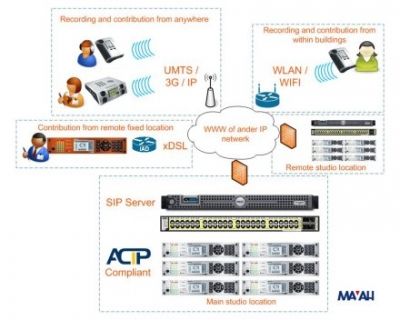
LiveU Reliable Transport, or LRT, is the video and audio delivery protocol developed over the last decade by LiveU, the inventor and patent holder of cellular bonding. The LRT protocol supports low latency, high resiliency video and audio transmission and was built from the ground up to accommodate the special properties of 4G/5G cellular as well as more traditional wireless and wired networks. In particular, LRT is optimized to support the bonding of multiple IP connections.
Keep your live video transmission safe
LRT ingredients
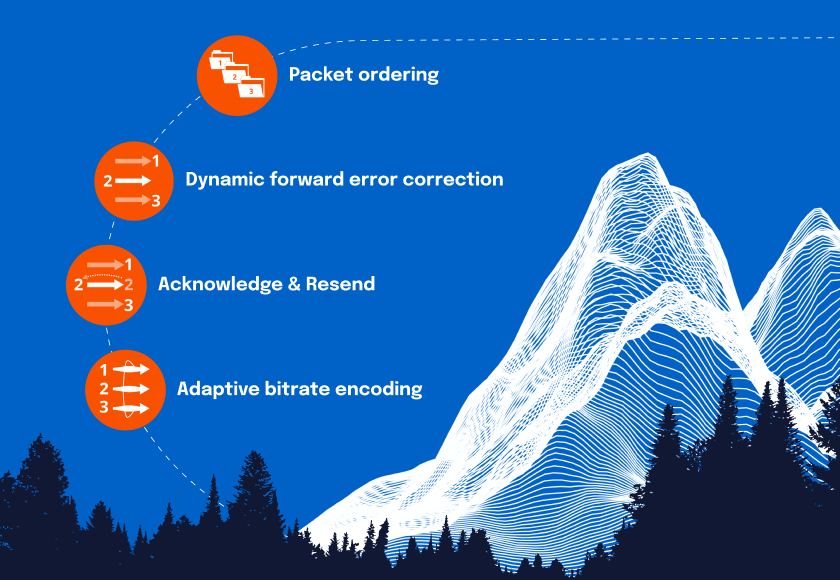
Optimized for bonded IP transmission, LRT ensures top reliability and bandwidth consistency across the most challenging cellular networks. While other resilient streaming protocols use only one or two techniques, LRT applies multiple resiliency transmission techniques simultaneously such as Packet Ordering, Acknowledge & Resend, Dynamic Forward Error Corrections and Adaptive Bitrate Encoding.
Why LRT?
Several other resilient transport protocols are available in the market today. How does LRT compare?
01 Suitable for Wired & Cellular Networks
- Ideal for cellular and hybrid transmission with IP bonding at its core
- Fully adaptive protocol, optimized to support video delivery over fluctuating cellular networks such as LTE and 5G
02 Highly Cost-Effective
- LRT lets you manage priority between different networks such as cellular, WiFi, LAN and satellite
- Utilizing the lower cost networks first to reduce overall transmission cost
03 Ultimate Resiliency
- Highly accurate end-to-end latency creates predictable workflows without burdening you with optimization and configuration steps
- Excellent performance under challenging bandwidth conditions

your
local specialist
for