Usecase: Voice Service Availability & Quality Monitoring

Ensures voice quality, service continuity, proactive detection, and SLA compliance.
Active testing of a live voice network involves simulating user behavior through automated test calls to continuously and non-intrusively evaluate service performance. Using active probes, operators can place controlled calls across both legacy networks (POTS, ISDN, 2G/3G circuit-switched) and modern networks (VoLTE, VoWiFi, 5G IMS), measuring key KPIs such as call setup time, MOS, latency, and jitter. This approach also verifies the interoperability between legacy and IP-based voice systems, tests the availability and functionality of supplementary services (e.g., call forwarding, caller ID), ensures accessibility of legacy voice services, and validates emergency call handling.
By executing tests around the clock, active testing provides early fault detection, SLA assurance, and consistent voice quality monitoring.
Opale Systems Solution for 24/7 Voice Service Monitoring
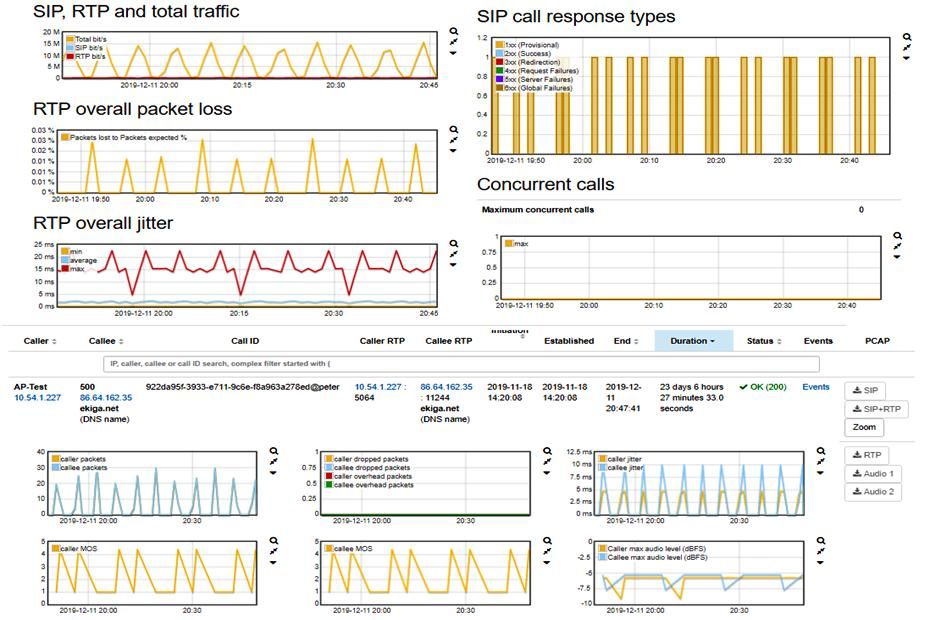
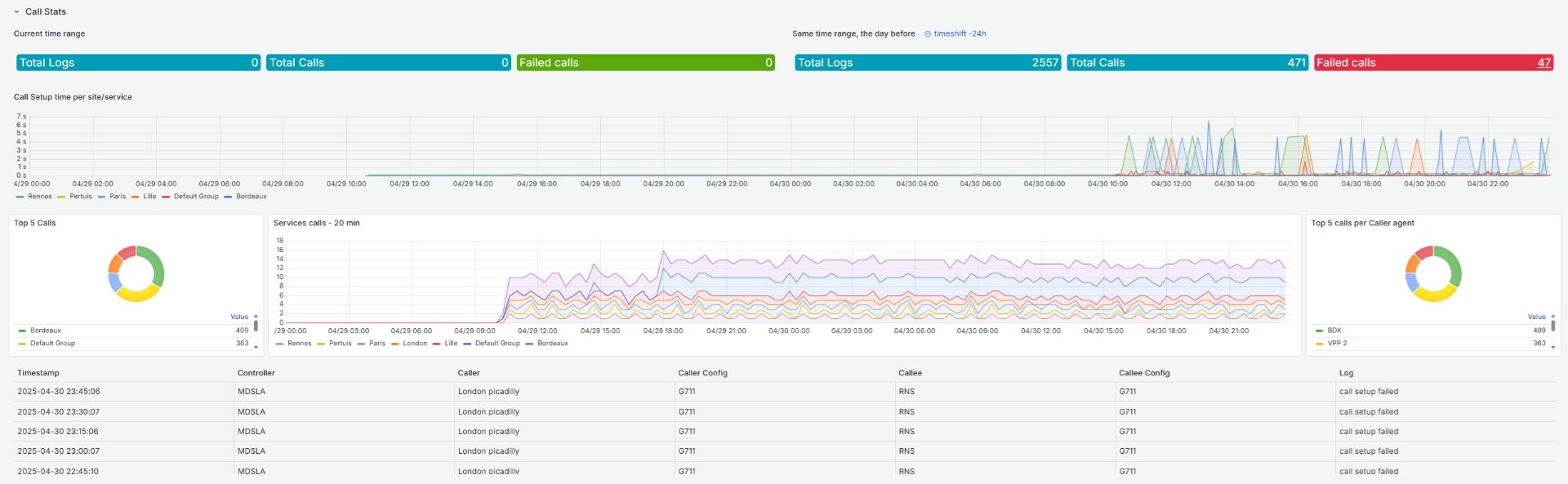
Opale Systems MultiDSLA solution enables continuous, active monitoring of voice services performance and reliability over legacy and mobile networks. It simulates real user calls using software or hardware agents to assess service availability and audio quality. The platform collects KPIs such as MOS, jitter, latency, and call setup success rate to evaluate user experience.
Opale Systems MultiDSLA solution, a test and measurement product that provides voice quality assessment and global performance of telephony services based on signal analysis.
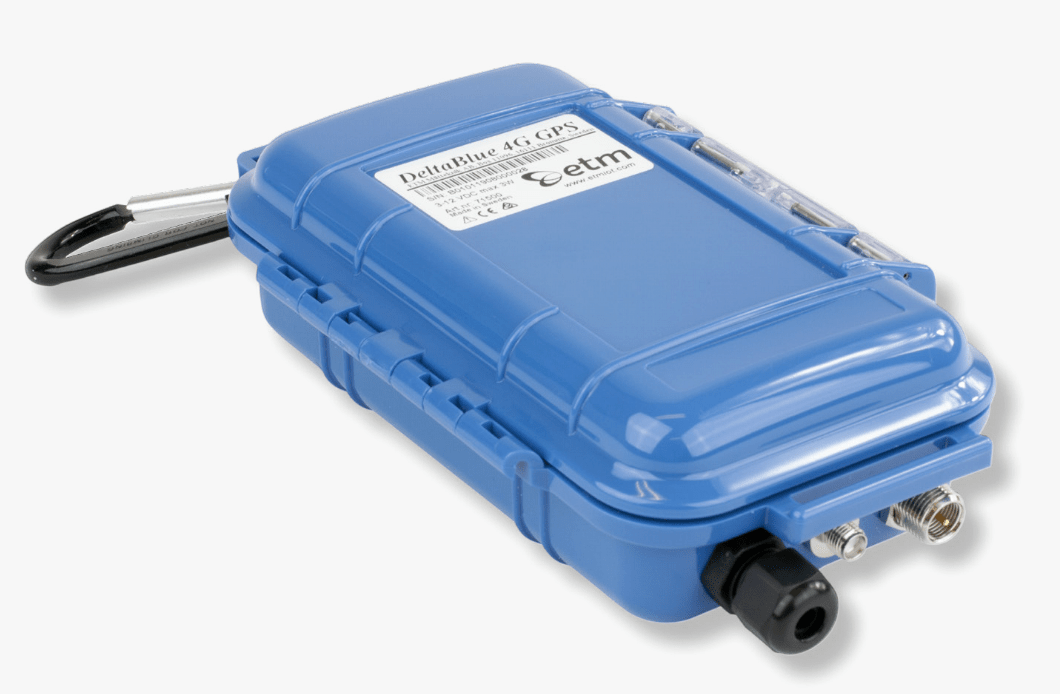
MultiDSLA pilots test calls execution through a set of analog (DSLA) or SIP agents (VoxPort Packet), retrieve captured audio files to perform analysis and provides KPIs.
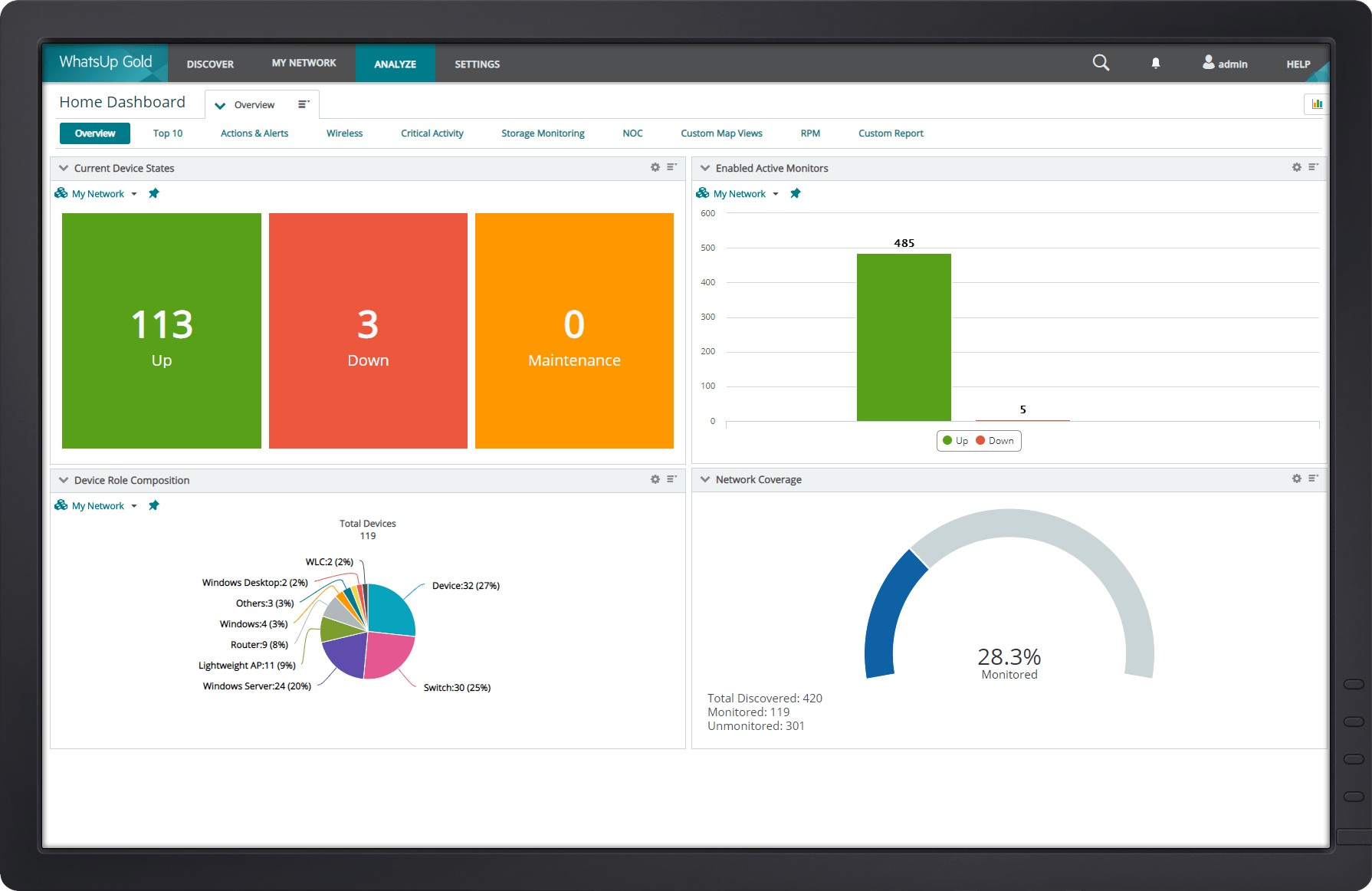
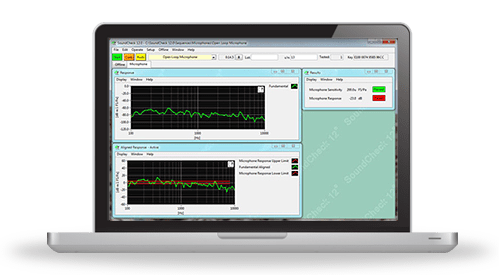
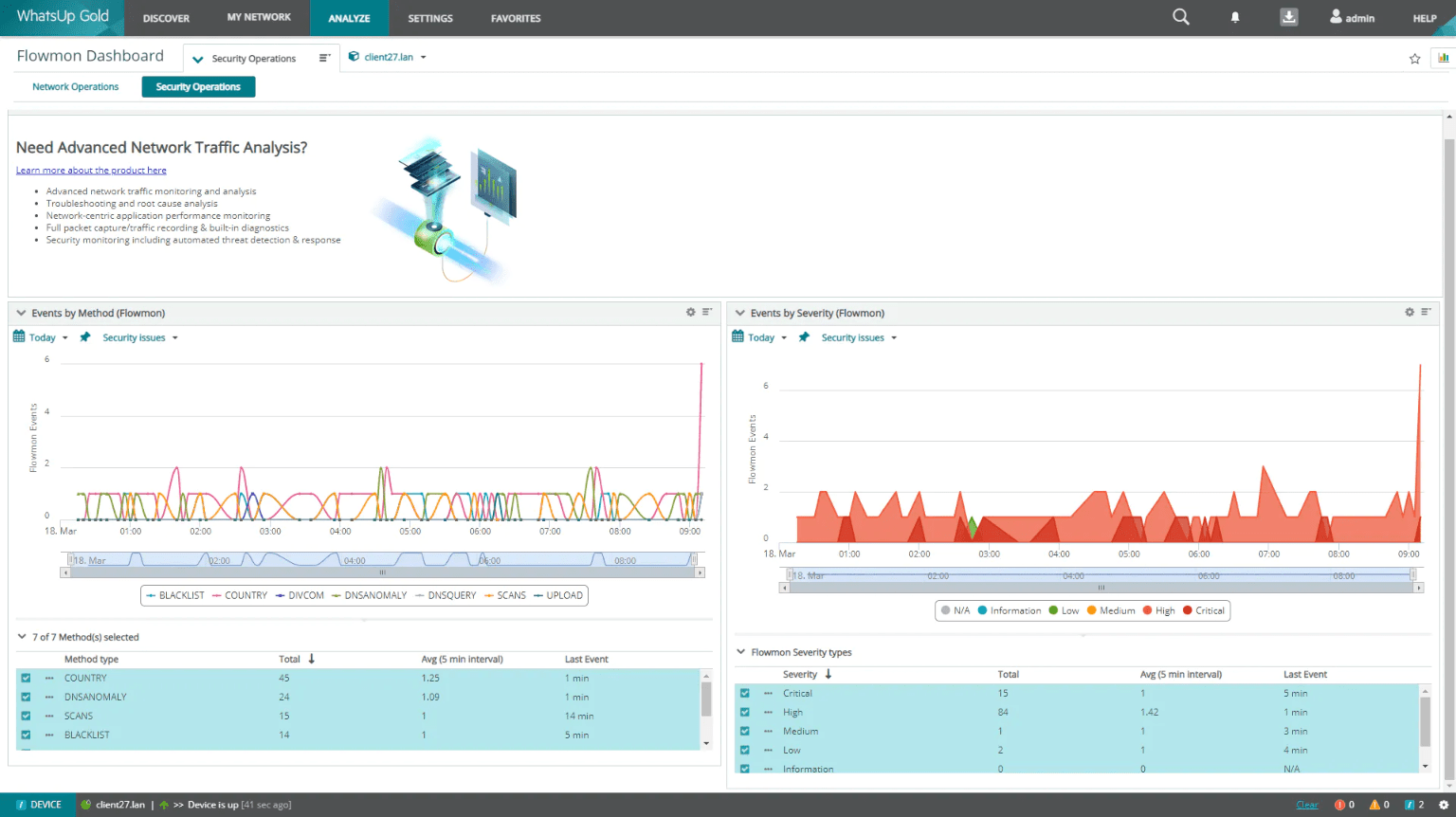
With real-time dashboards and customizable alerts, MultiDSLA helps operators and service providers to detect issues, validate SLAs, and optimize voice performance.
User applications
- Service Assurance
Continuously monitor voice services to ensure availability and quality in production environments.
- Validate performance after upgrades or migration
Validate voice performance before, during, and after changes or software updates.
- Ensure regulatory and SLA compliance
Track and report KPIs (MOS, call setup success rate) to meet SLA commitments and telecom authority regulations.
- Geographic Benchmarking
Compare service quality across regions, cities, or networks to guide investment and optimization.
- Emergency Services Testing
Confirm accessibility, call setup, and quality for emergency numbers (e.g., 112, 911).
- Supplementary Services Validation
Actively test features like call forwarding, call waiting, caller ID, and voicemail for full service functionality.

your
local specialist
for