New CLS 105°C Flatpack Capacitors Expand Knowles’ Cornell Dubilier Product Line
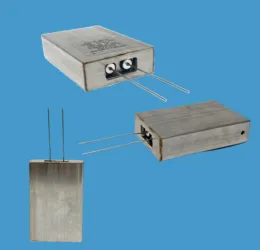
Type CLS capacitors are designed for low-profile, high-density power supplies that don’t require an extreme temperature rating.
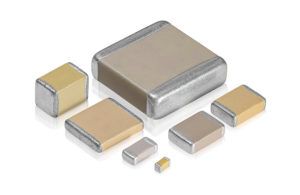
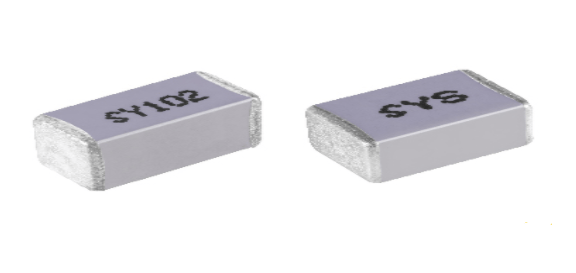
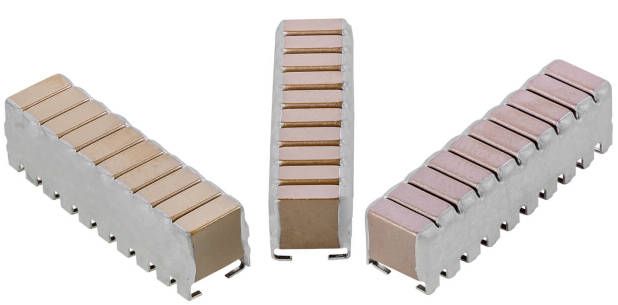
We recently announced that our Cornell Dubilier brand is newly capable of producing high-density, low-profile Flatpack™ capacitors at 105 °C. These capacitors are designed for low-profile, high-density power supplies that don’t require an extreme temperature rating.
Building on the existing series of MLPS and MLSG capacitors rated for 85°C and 125°C respectively, these new CLS Flatpack™ aluminum electrolytic capacitors deliver enhanced reliability, achieving full endurance testing of 10,000 hours at 105°C. This level of consistency and reliability is essential for high-density commercial power supplies, military-grade systems, and mission-critical equipment.
We realized there’s a need for high capacitance density in a compact footprint without requiring ratings up to 125°C. The 105°C-rated Flatpack™ capacitor is a stainless-steel solution that delivers better thermal dissipation for higher efficiency, improved performance, and longer lifespan.
Backed by 25 years of experience in military electronics, Type CLS, MLPS, and MLSG Flatpack™ capacitors deliver exceptional durability and performance in extreme environments. With voltage ratings up to 300 V and capacitance values as high as 83,000 µF, these capacitors are specifically designed for demanding applications. Their rugged construction ensures reliable operation under vibration, shock, and high ripple currents.
With a broad selection of low-profile stainless steel case sizes and multiple mounting options, engineers can easily integrate bulk capacitance into a single compact unit, reducing the number of PCB connection points and enhancing overall design reliability. Hermetic or near-hermetic sealed cases offer ultra-long life and high vibration tolerance. Overall, the Flatpack™ line emphasizes design flexibility for critical power applications where conventional capacitors may not fit as effectively.

your
local specialist
for